When you approach ion chromatography, distinguishing between anion and cation analysis is key to getting accurate results. You’ll need to consider how ion-exchange chemistry ion chromatography instrument, mobile phase selection, and detection methods differ for each type of ion. These choices directly impact separation quality and sensitivity. But what specific factors set anion and cation analysis apart, and how can you optimize your setup to handle common challenges?
Anion and Cation Separation in Ion Chromatography
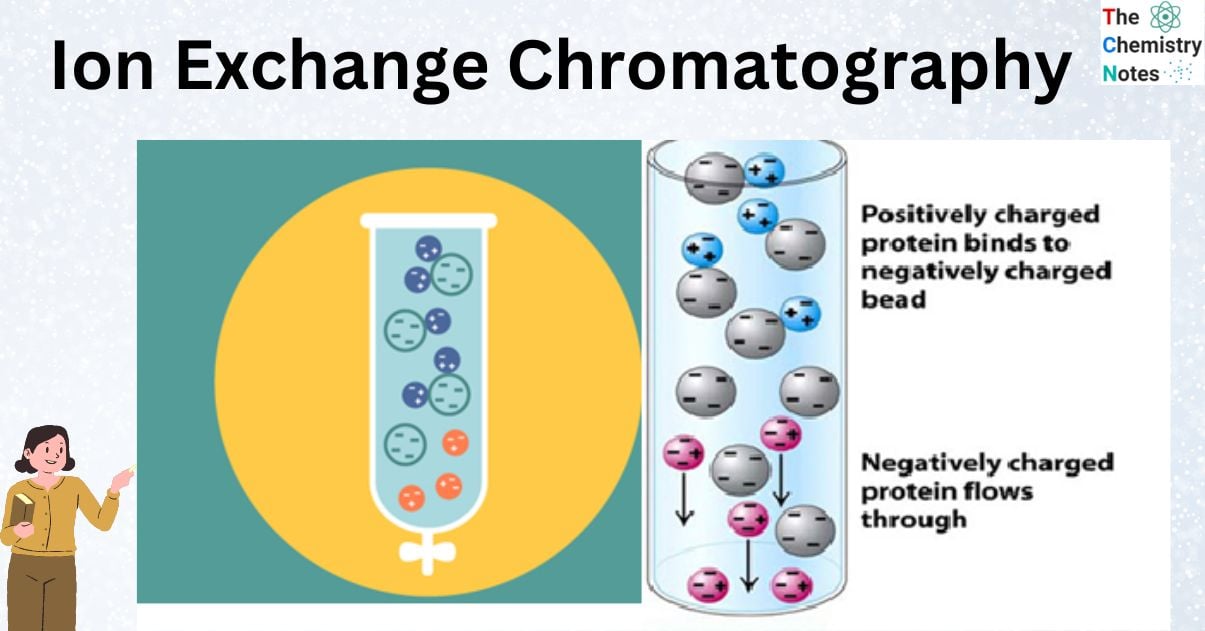
When you perform ion chromatography https://laballiance.com.my/, separating anions and cations efficiently is crucial for accurate analysis. You’ll rely on ion-exchange resins designed specifically for each type: anion exchangers carry positive charges to attract anions, while cation exchangers hold negative charges to capture cations.
You control separation by adjusting the mobile phase’s composition, pH, and flow rate, allowing ions to interact differently with the resin. This targeted approach ensures ions don’t overlap during elution, giving you clear, distinct peaks.
Differences in Detection Methods for Anion and Cation Analysis
Choosing the right detection method plays a vital role in distinguishing anions from cations during ion chromatography.
When you analyze anions, you often rely on conductivity detection because anions typically produce distinct conductivity signals after separation.
For cations, however, you might use suppressed conductivity detection or even UV-Vis detection if the ions have chromophores. The suppression technique reduces background conductivity, making cation signals clearer.
You’ll find that amperometric detection, while less common, suits specific cation analyses, especially metals.
Ultimately, your choice depends on the ion’s properties and your analysis goals. By selecting the proper detection method, you gain accuracy and efficiency, giving you the freedom to tailor your approach without compromise. This clarity empowers you to confidently interpret your chromatograms.
Common Challenges in Anion and Cation Ion Chromatography
Selecting the right detection method sets the foundation for effective ion chromatography, but you’ll still face several challenges unique to analyzing anions and cations.
For anions, co-elution of similar species can blur your results, while cations often struggle with matrix interferences that mask target ions.
You might also encounter issues with sample preparation—improper pH or ionic strength can skew retention times and peak shapes.
Additionally, maintaining column stability becomes critical since both ion types demand different resin chemistries and operating conditions.
Don’t forget that sensitivity varies; some ions require lower detection limits, pushing your equipment to its limits.
Recognizing these challenges helps you stay ahead, giving you the freedom to troubleshoot and adapt your approach without compromising accuracy or speed.
Tips to Optimize Anion and Cation Analysis Results
Although ion chromatography can present complex challenges, you can significantly improve your anion and cation analysis results by fine-tuning key parameters like sample preparation, column selection, and detection settings.
Start by ensuring your samples are clean and free from particulates to avoid column clogging and inconsistent peaks. Choose columns specifically designed for the ions you’re targeting to boost resolution and sensitivity.
Adjust eluent concentration and flow rate to balance analysis time and separation quality. Don’t forget to regularly calibrate your detector and validate your method for consistent accuracy.
Finally, maintain your system with routine cleaning to prevent contamination. By taking control of these factors, you’ll gain more reliable data and enjoy the freedom to focus on what truly matters in your analysis.

Applications of Anion and Cation Analysis
Ion chromatography plays a crucial role in many fields by providing precise anion and cation analysis that helps you monitor water quality, control industrial processes, and ensure food safety.
You can rely on this technique to unlock freedom in decision-making by understanding your sample’s ionic content.
Here are three key applications you’ll find valuable:
- Environmental Monitoring: Track pollutants like nitrates and heavy metals in water to protect ecosystems and public health.
- Industrial Quality Control: Ensure raw materials and products meet specifications by analyzing ions critical to manufacturing processes.
- Food and Beverage Safety: Detect contaminants and verify mineral content, helping you maintain safety standards and product consistency.
Conclusion
In ion chromatography, choosing the right ion-exchange resin and detection method is key to accurately analyzing anions and cations. You’ll want to optimize pH, eluent, and flow rate to avoid co-elution and matrix effects. By understanding the differences in separation and detection, you can improve sensitivity and reliability. With careful method development and sample preparation, you’ll confidently tackle both anion and cation analysis for diverse applications.