In the realm of pet care, ensuring a smooth transition from veterinary hospital to home post-operative care is paramount for the well-being of our beloved companions pet hospital.
This article delves into essential tips for creating a conducive recovery environment, managing medication and pain levels, attending to wound care, maintaining proper nutrition and hydration, and recognizing warning signs of potential complications.
Empower yourself with knowledge to provide optimal care for your furry family members during their post-operative journey.

Setting up a Comfortable Recovery Space
When setting up a comfortable recovery space at home for your pet post-operation, consider utilizing soft bedding and a quiet environment.
Soft bedding, such as blankets or pet beds, can provide a cozy and supportive surface for your furry friend to rest and recover. Ensure the area is free from loud noises or excessive activity to promote a calm and stress-free atmosphere conducive to healing.
Placing the recovery space in a secluded area of your home can help minimize distractions and disturbances, allowing your pet to relax and recuperate without unnecessary interruptions.
Monitoring Pain and Medication
To ensure proper post-operative care at home for your pet, it is essential to diligently monitor pain levels and administer medication as prescribed by the veterinarian. Monitoring your pet’s pain can involve observing their behavior, such as changes in appetite, activity level, or mood.
It’s crucial to follow the veterinarian’s instructions regarding medication dosage and timing. Ensure that medications are given with food if required and never adjust the dosage without consulting the vet. Keep a log of when medications are administered and any observed side effects.
Contact the vet immediately if you notice any concerning signs or if your pet’s pain seems unmanageable. Proper pain management is vital for your pet’s comfort and speedy recovery.
Managing Wound Care
Monitoring pain and medication is crucial when transitioning to managing wound care for your pet post-operatively at home. Regularly assess your pet’s wound for signs of infection, such as redness, swelling, or discharge.
Follow the veterinarian’s instructions regarding wound cleaning and dressing changes. Keep the wound clean and dry, and prevent your pet from licking or scratching the area. If necessary, use an Elizabethan collar to prevent your pet from interfering with the wound.
Administer any prescribed medications as directed, and monitor for any adverse reactions. Contact your veterinarian immediately if you notice any concerning changes in the wound or your pet’s behavior.
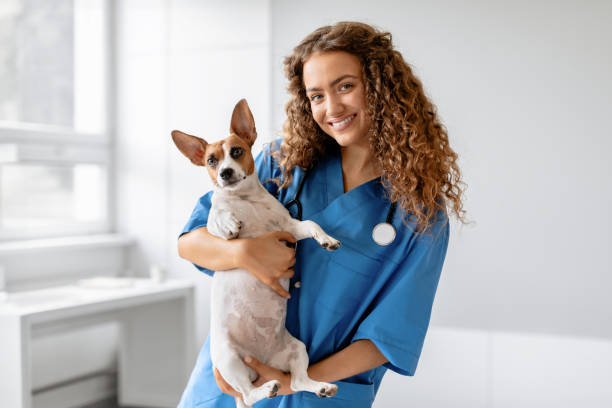
Providing Proper Nutrition and Hydration
Proper nutrition and hydration are essential components of post-operative care for pets recovering at home. Following surgery, ensure your pet has access to fresh water at all times. Offer easily digestible, high-quality pet food to support their recovery. Consult with your veterinarian for specific dietary recommendations tailored to your pet’s needs.
Monitor their food and water intake closely, as some pets may have reduced appetites post-surgery. Avoid giving table scraps or unfamiliar foods that could upset their stomach. Adequate hydration is crucial for healing, so encourage your pet to drink water regularly. If your pet shows signs of dehydration or lack of appetite, contact your veterinarian promptly.
Recognizing Signs of Complications
Having provided proper nutrition and hydration to your pet post-operatively, the next crucial step is recognizing signs of complications that may arise during their recovery at home.
Keep a close eye on your pet for any abnormal symptoms such as excessive lethargy, refusal to eat or drink, persistent vomiting or diarrhea, difficulty breathing, excessive swelling or bleeding at the surgical site, and signs of infection like redness, warmth, or discharge.
Any unusual behavior or changes in your pet’s condition should be promptly reported to your veterinarian. Remember that early detection of complications can greatly improve the outcome for your pet, so don’t hesitate to seek professional help if you have any concerns about their post-operative recovery.
Conclusion
In conclusion, post-operative care at home plays a crucial role in the recovery process for pets.
By creating a comfortable recovery space, monitoring pain and medication, managing wound care, providing proper nutrition and hydration, and recognizing signs of complications, pet owners can help ensure their furry companions have a smooth and successful recovery.
It is important to follow these guidelines closely to promote healing and prevent any potential complications.